

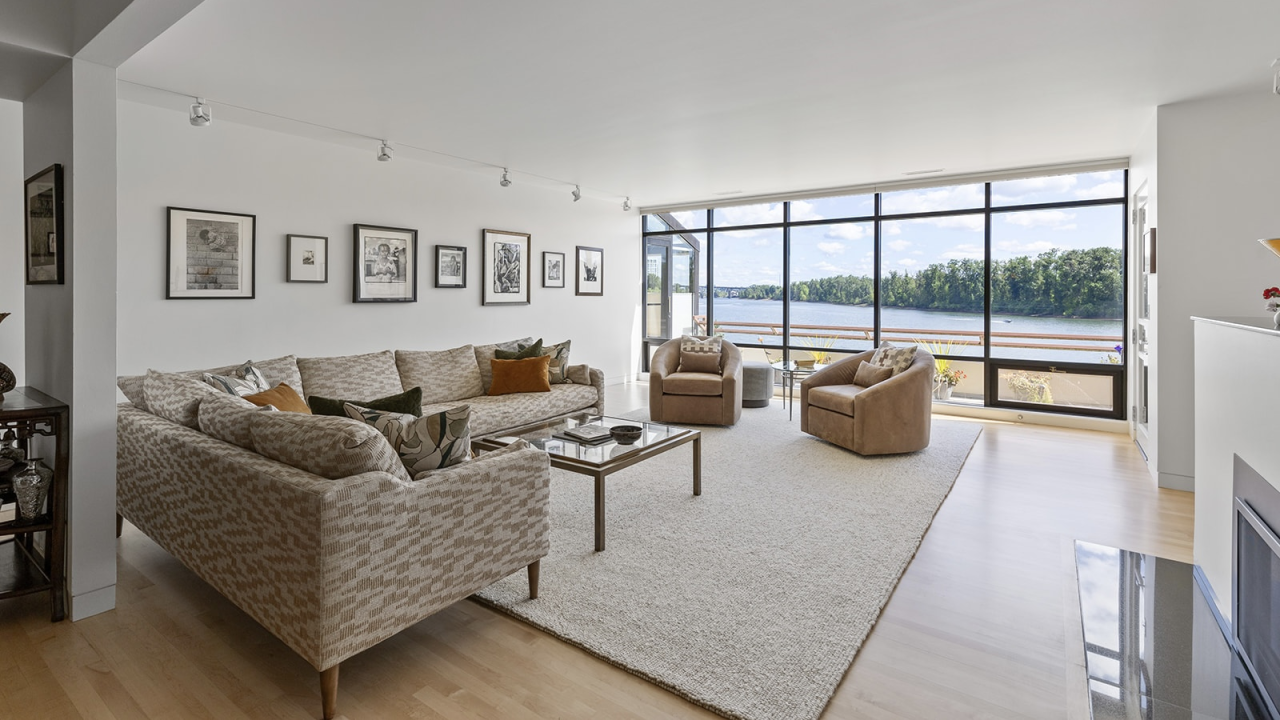
Layering rugs is one of the most effective techniques for bringing warmth, depth, and character into a room. Rather than relying on a single carpet to anchor your furniture, stacking two distinct rugs creates visual intrigue through contrasting textures, patterns, and proportions. Done correctly, it turns a simple floor into a focal point while giving you flexibility to refresh your decor across different seasons.
Why Layer Your Area Rugs?
Grounding a room with a single large rug can sometimes feel static or expensive, especially when decorating large spaces. Layering solves several design challenges simultaneously:
Spatial Definition: It allows you to highlight specific furniture groupings—like a reading nook inside a expansive master bedroom or a coffee table setup in an open-concept living area.
Textural Contrast: Combining diverse weaves, such as a rough natural fiber base paired with a soft plush accent rug, creates visual dimension that a single rug cannot match.
Cost Efficiency: Large custom rugs can require significant investment. A practical approach is buying a broad, budget-friendly neutral base rug and topping it with a smaller, premium patterned accent piece.
Selecting the Base: Foundation First
The bottom rug acts as the backdrop for your entire setup. It needs to cover enough surface area to anchor your main furniture pieces while remaining subdued enough not to compete with the top layer.
Natural fiber options—such as jute, sisal, or flat-weave wool—make ideal base rugs. They offer substantial texture, hold up exceptionally well under heavy foot traffic, and feature neutral tan, cream, or brown tones that pair easily with other materials. Aim for a low-profile construction so the top rug rests comfortably without creating an awkward tripping hazard.
Choosing the Top Layer: Pattern, Texture, and Scale
Once your base foundation is established, your top rug is where personality comes into play. Because this layer covers less surface area, you can afford to experiment with bolder colors, intricate patterns, or rich textures.
Consider these proven pairings:
Neutral Jute Base + Vintage Persian Accent: The organic, rough weave of natural fiber balances the detailed, classic scrollwork of a traditional oriental design.
Flat-Weave Base + High-Pile Faux Hide or Shag: Placing a plush, touchable texture over a tight, smooth base creates tactile contrast.
Solid Broadloom Base + Geometric Pattern: If your primary floor is already fully carpeted, a geometric flat-weave rug placed over top breaks up large expanses of solid color.
Practical Rules for Proportions and Placement
Proper scale keeps layered rugs looking intentional rather than cluttered.
Maintain Consistent Margins: Leave roughly 12 to 24 inches of the base rug visible around the perimeter of the top rug. This framing effect draws the eye inward.
Anchor the Furniture: Ensure the front legs of your sofa and accent chairs sit on the base rug, while the top rug rests centered beneath the central focal point, such as a coffee table.
Angle with Purpose: Placing the top rug at a slight diagonal angle works well in bohemian or eclectic spaces, but keep both rugs aligned parallel to the walls if you prefer a clean, tailored aesthetic.
Keeping Layers Flat and Safe
The most common issue with rug layering is shifting, bunching, or curling along the edges. Safety and stability require the right underlayment strategy.
Place a quality rubberized rug pad between your primary flooring and the base rug to prevent slipping. For the top rug, use a specialized double-sided rug tape or a thin, non-skid gripper pad formulated for carpet-on-carpet applications. This keeps the top layer pinned smoothly in place, eliminating trip hazards and maintaining clean lines.
Contact us for more information.
Hardwood Trends Shaping Modern Interiors
Hardwood flooring remains a timeless architectural feature, but design preferences continuously evolve. Homeowners today are moving away from dark, high-gloss finishes and rigid, narrow strips in favor of natural warmth, expansive plank dimensions, and tactile surface finishes. Updating your floors with contemporary hardwood styles elevates your interior aesthetic while adding long-term value to your home.
Wide Planks Take Center Stage
One of the most noticeable shifts in residential flooring design is the dominance of wide-plank wood boards. Traditional installations often featured two-to-three-inch strip flooring, whereas modern spaces increasingly showcase planks ranging from six to ten inches in width.
Wide planks showcase more of the natural wood grain, knots, and subtle color variations inherent to raw timber. Beyond their visual appeal, wider boards create fewer seam lines across the floor, which visually expands rooms and creates a clean, open atmosphere in both modern and classic architecture.
The Shift Toward Warm, Earthy Tones
The cool grey stains and dramatic dark espresso finishes that dominated previous years are yielding to warmer, more natural color palettes. Current design favors muted, organic wood tones that reflect natural light and create a calm foundation.
Popular color choices include:
Blonde and Natural Oaks: Light, un-toned oak finishes bring airiness to rooms while hiding daily dust and pet dander better than dark surfaces.
Warm Honey and Wheat: Soft, medium-brown tones provide a mid-spectrum bridge that pairs effortlessly with white cabinetry or rich leather furniture.
Muted Raw Finishes: Finishes designed to mimic raw, unvarnished wood give spaces an understated, organic feel.
Ultra-Matte and Wire-Brushed Finishes
Glossy polyurethane finishes are largely being replaced by low-sheen options. High-gloss floors tend to highlight minor scratches, footprints, and dust buildup under direct lighting. Modern matte and satin sheens offer a clean look that wears gracefully over time.
Surface texture is equally important. Wire-brushed and hand-scraped hardwoods are engineered to subtly pull soft grain from the wood surface, leaving a textured finish. This subtle contouring adds physical character, feels pleasant underfoot, and disguises the minor scuffs and dings inevitable in high-traffic households.
Herringbone and Patterned Layouts
Parquet and patterned installations—particularly herringbone and chevron layouts—are seeing a strong resurgence in modern home design. Rather than covering an entire home in pattern, homeowners frequently use herringbone layouts in targeted areas like entry foyers, hallways, or formal dining rooms.
By arranging standard hardwood planks at angular intersections, these installations introduce movement and structural interest to the floor plane. Paired with minimalist furniture and neutral walls, a patterned hardwood floor functions as a built-in architectural accent.
Sustainable Woods and Lasting Value
Contemporary homeowners place high priority on sustainability, longevity, and material origin. Domestically sourced hardwoods like White Oak, Hickory, and Hard Maple remain popular choices due to their structural durability and lower environmental footprint during transport.
Engineered hardwood constructed with a real timber veneer over multi-ply core layers has also grown in popularity. It maximizes natural timber resources while delivering enhanced resistance to humidity fluctuations, making it suitable for installations across all levels of a home.


