

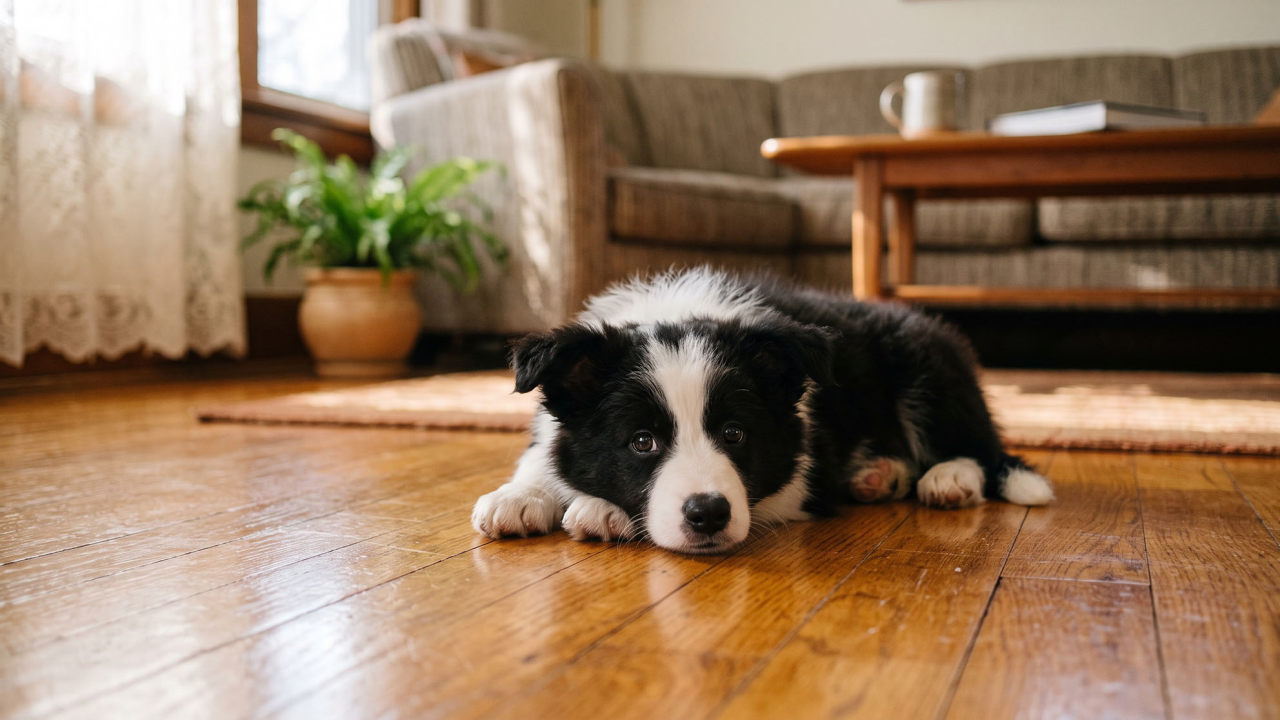
Living with dogs or cats doesn't mean you have to give up real hardwood flooring. While active paws, sharp claws, and occasional accidental spills present distinct challenges to real timber, selecting durable materials and adopting proactive maintenance habits will keep your wood floors looking immaculate for years.
Start with the Right Wood Species
The foundation of pet-friendly hardwood flooring begins with selecting a species that possesses a high resistance to physical impact. Wood hardness is measured on the Janka scale, which rates a species' resistance to denting and wear.
Smarter choices for homes with pets include:
Hickory: Rated exceptionally high on the Janka scale (1820), hickory is one of the hardest domestic hardwoods available, easily handling active medium-to-large dogs.
Hard Maple: Dense and close-grained, hard maple (Janka 1450) effectively resists point loads from pet nails.
White Oak: With a Janka rating around 1360, white oak features a pronounced, sweeping grain structure that naturally disguises light surface scratches better than smoother, finer-grained woods like cherry or walnut.
Avoid soft woods such as pine, fir, or American cherry, which dent easily under sharp claw pressure.
Finishes That Hold Up Against Scrapes
The protective coating applied to your wood planks serves as the primary barrier against everyday pet traffic. A tough finish takes the brunt of scratch marks before damage reaches the raw wood underneath.
Consider factory-applied polyurethane finishes infused with aluminum oxide additives. These industrial coatings form an extremely hard protective surface layer that significantly reduces scratch visibility. Additionally, selecting a low-sheen matte or satin finish—combined with a textured wire-brushed surface—will obscure surface scuffs far better than reflective high-gloss sealants.
Smart Grooming and Maintenance Routines
Even the hardest hardwood and toughest sealant benefit from routine pet care routines.
Regular Nail Trimming: Keep your dog's nails clipped short and smooth. If you hear a loud clicking sound when your pet walks across the floor, their nails are long enough to cause finish wear.
Paw Wiping at Doors: Place absorbent entry mats near back doors to catch dirt, tiny pebbles, and grit trapped in pet paws before it gets tracked across your wood floors, where it acts like sandpaper underfoot.
Paw Pad Hygiene: Trimming excess fur between pet toe pads prevents them from slipping on smooth surfaces, reducing their urge to dig their claws in for traction when turning corners quickly.
Defensive Rug Placement in High-Traffic Zones
Certain areas of the home experience far more pet wear than others. Identify high-velocity zones—such as hallways, landing zones at the base of staircases, and immediate turns around kitchen islands—and place stylish area rugs or runners over them.
Focus on areas where pets land when jumping off furniture or where they race to greet visitors at the front door. Adding low-profile, non-slip rug pads beneath these runners protects the wood beneath from friction, impact, and claw marks.
Quick Cleanup Strategies for Daily Messes
Pet water bowls and accidental liquid spills pose a moisture threat to real wood. Standing water can seep into wood seams, causing dark stains, board cupping, or finish damage over time.
Place silicone mats with raised edges under water and food dishes to catch splashes. In the event of pet accidents, clean up liquids immediately using a damp microfiber cloth and a pH-neutral hardwood cleaner. Avoid harsh ammonia-based chemicals, steam mops, or excessive water, all of which compromise the floor’s protective topcoat.


