
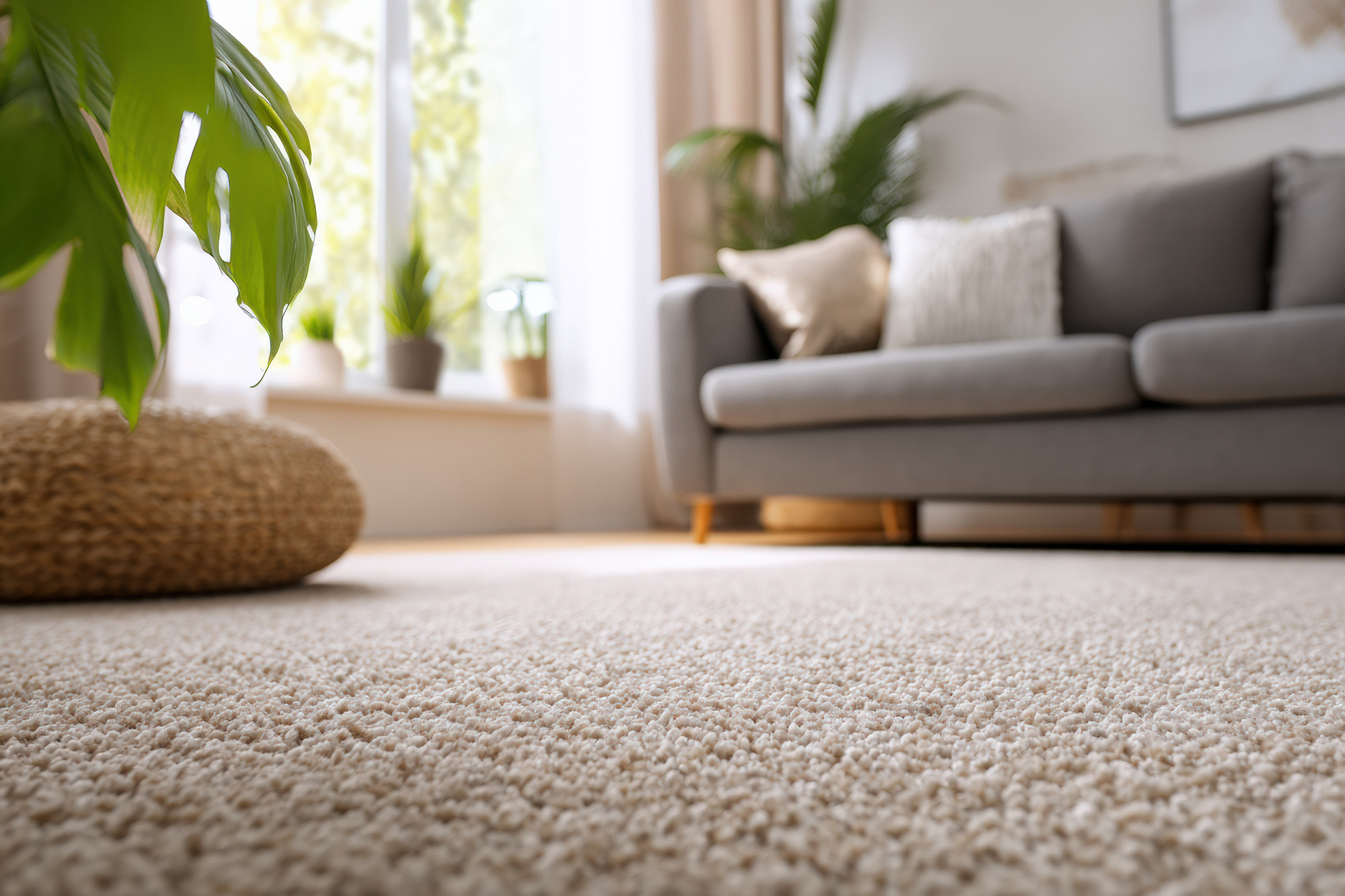
It is one of the most common interior design missteps: falling in love with a beautiful area rug, bringing it home, and realizing it looks like a tiny, floating island in the center of the room. An improperly sized rug can throw off the proportions of an entire space, making a large room look small or a cozy room look disjointed. To get the most out of your flooring investment, you must understand the rules of proper rug placement.
Grounding the Living Room
In the living room, your area rug serves to define the conversational seating area. There are three main approaches to sizing here: all furniture legs on the rug, only the front legs on the rug, or all legs off. For a spacious, luxurious feel, an all-legs-on arrangement is ideal, requiring a large rug (typically 9x12 or larger) that extends past the outer edges of the sofa and chairs.
The most popular and budget-friendly approach is the front-legs-only rule. This requires a medium-sized rug (usually 8x10) where the front feet of the sofa and accent chairs sit comfortably on the rug, anchoring the furniture together while leaving the back legs on the main flooring. Avoid the "all legs off" approach unless you are dealing with a very tight space, as a tiny rug floating under a coffee table makes the room feel fractured.
Pulling Out Chairs in the Dining Room
Dining room rug placement is ruled by functionality rather than pure aesthetics. The number one rule for a dining space is that the rug must be large enough to accommodate the table and all chairs, even when they are pulled out for guests to sit down.
To achieve this, measure your dining table and add at least 24 inches of clearance on all sides. If your chairs slide off the edge of the rug when people sit down, it creates an annoying tripping hazard and can scratch your underlying floors. Additionally, match the shape of the rug to the shape of the table—round tables look best on round rugs, while rectangular tables demand rectangular profiles.
Framing the Bedroom
Your bedroom should be a sanctuary of comfort, and there is nothing worse than stepping out of bed onto a cold, hard floor. When placing a rug under a bed, the goal is to show off the rug on the sides and foot of the bed.
The ideal placement involves laying a large rug perpendicular to the bed, sliding it under the bottom two-thirds of the mattress frame. This keeps your nightstands resting firmly on the main flooring while ensuring you have a soft, warm place for your feet to land every single morning.
Finding the perfect dimensions shouldn't be guesswork.
Reach out to our design team or visit our showroom to find the ideal rug size for your space.