

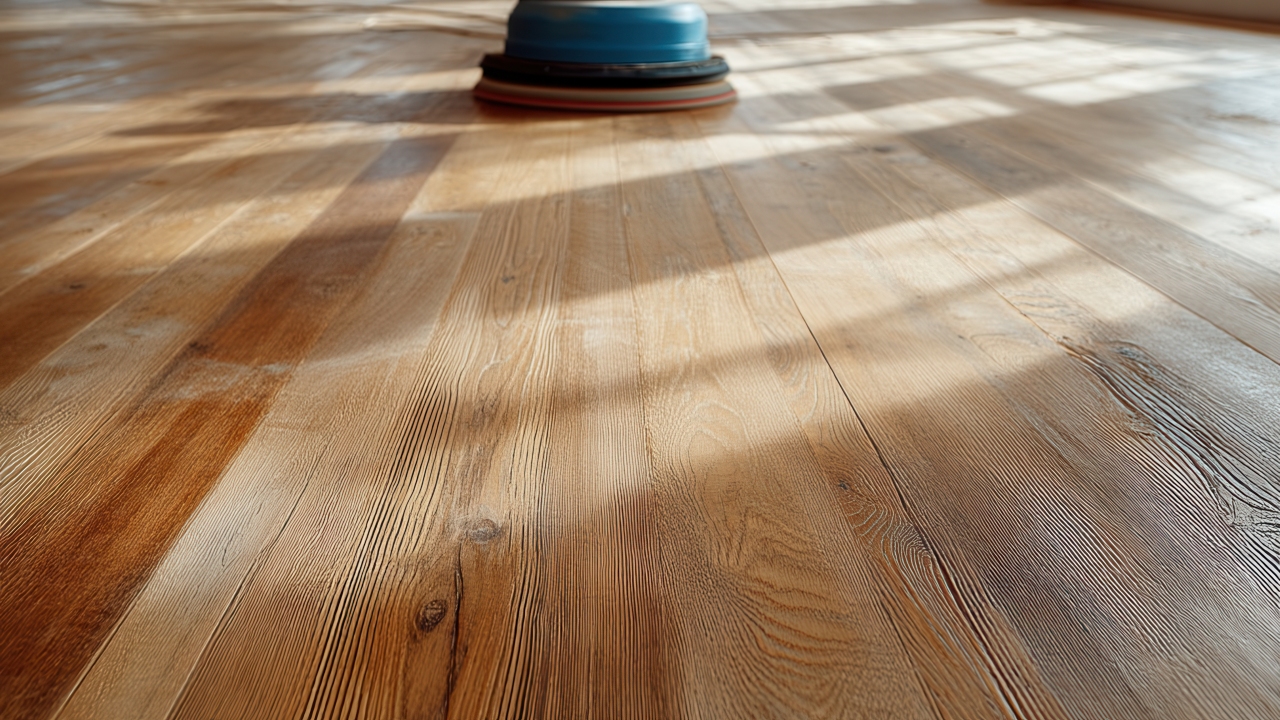
Hardwood flooring remains one of the most desired architectural features in residential design, offering timeless natural beauty, structural warmth, and outstanding long-term property value. However, when planning a hardwood installation, homeowners must choose between two distinct structural formats: solid hardwood and engineered hardwood. While both options feature real natural wood on the surface, their core constructions differ significantly, dictating how they react to moisture, subfloor conditions, and installation locations throughout your home.
Solid Hardwood: Timeless Tradition and Longevity
Solid hardwood is the traditional form of wood flooring that has been utilized for centuries. Each plank is milled from a single, solid piece of natural timber—typically 3/4-inch thick—ranging from domestic oak, maple, and hickory to exotic hardwoods.
The greatest advantage of solid hardwood is its remarkable longevity. Because the plank is solid wood from top to bottom, it can be sanded down and refinished multiple times over its life cycle. This allows homeowners to remove surface scratches, change stain colors, and update their interior aesthetic every few decades without replacing the floor. A properly maintained solid hardwood floor can easily last for a century or more.
However, solid hardwood is sensitive to environmental humidity and moisture changes. Because natural wood fibers expand when absorbing humidity and contract when air dries, solid hardwood planks are prone to cupping, gapping, or buckling if exposed to moisture fluctuations. Consequently, solid hardwood must be nailed or stapled down to a wood subfloor and is strictly restricted to above-grade (ground level and upper floor) interior installations.
Engineered Hardwood: Modern Stability and Range
Engineered hardwood was developed to provide the authentic look of real wood while solving the structural limitations of solid timber in high-moisture or variable-humidity environments.
An engineered hardwood plank consists of two distinct layers: a real natural wood top layer (called the wear layer or veneer) bonded onto a high-density, multi-layer core of cross-ply hardwood or premium plywood. The core layers are stacked in alternating grain directions under extreme heat and pressure.
This cross-ply structure gives engineered hardwood outstanding dimensional stability. When temperature or humidity levels shift, the opposing grain direction of the core layers prevents the plank from expanding, shrinking, or warping. As a result, engineered hardwood can be installed across all levels of the home, including basements, over concrete slabs, or over radiant heating systems where solid wood is not recommended.
The refinishing potential of engineered hardwood depends directly on the thickness of its top natural wood layer. High-quality engineered planks with thick wear layers (4mm to 6mm) can be sanded and refinished multiple times, offering long-term durability similar to solid hardwood while delivering superior physical stability.
Evaluating Subfloors, Climate, and Moisture Exposure
To decide which hardwood structure is best suited for your project, evaluate these key site conditions:
Subfloor Type: If your home has a concrete slab foundation (common in basements and modern ground-level construction), engineered hardwood is required because it can be glued down or floated. Solid hardwood requires a structural plywood subfloor for mechanical nailing.
Installation Level: For basements or below-grade rooms, engineered hardwood is the only suitable choice due to ground moisture risks.
Relative Humidity Controls: If your home experiences wide seasonal shifts in indoor humidity without year-round climate control, engineered hardwood provides better protection against seasonal gapping.
Longevity Goals: If you plan to remain in your home for many decades and desire the ability to refinish the floor across generations, solid hardwood or premium thick-veneer engineered hardwood are excellent long-term investments.
Choosing the Hardwood Structure for Your Space
Both solid and engineered hardwood provide genuine wood warmth, natural grain beauty, and exceptional long-term home value. By evaluating your subfloor structure, moisture levels, and room location, you can select the perfect hardwood flooring solution to elevate your home.


